
HEMA And TPO Gel Polish: What Professional Nail Techs Need To Know
Gel polish systems commonly use HEMA and TPO ingredients, but many nail technicians still have questions about what they do and how they affect salon services. For nail technicians, understanding what they do (and how they affect application, wear, and product choice) is key when selecting professional nail polish and gel polish systems for clients.
This guide clearly breaks down HEMA and TPO in simple, practical terms while also explaining how they relate to everyday gel services. In addition, it covers how to choose the right gel polish system for consistent, professional salon results.

What is HEMA in gel polish?
HEMA (Hydroxyethyl Methacrylate) features in many professional gel polish formulas.
In simple terms, it helps gel polish:
- Bond effectively to the natural nail plate
- Improve adhesion and reduce lifting
- Support longer-lasting wear
From a salon perspective, HEMA plays a major role in gel polish durability and overall service performance because it helps create the strong, reliable finish clients expect from professional nail treatments.
However, not all gel systems use the same level or formulation of HEMA, which is why you’ll often see HEMA-free gel polish options across professional brands.
What is TPO in gel polish?
TPO (Triphenyl Phosphine Oxide) is a photoinitiator used in gel polish systems.
Its main role is to:
- Help gel polish cure properly under UV or LED lamps
- Support even, consistent curing throughout the product layer
- Contribute to a smooth, stable finish after curing
In salon services, TPO helps gel polish cure properly under UV and LED lamps, allowing nail technicians to achieve a smooth, even, professional-looking finish.

HEMA free vs standard gel polish – what changes in the salon?
For nail technicians, the biggest difference isn’t just the ingredient list, it’s how the product behaves during service.
Application feel
HEMA-free gel polish systems are often formulated to provide a smoother, more flexible application experience. Standard gel systems may feel slightly more adhesive during placement due to HEMA content.
Wear and durability
Both systems are designed for professional wear, but performance depends on:
- Nail prep quality
- Application technique
- Curing time accuracy
- Client experience
Many salons now offer HEMA-free gel polish options as part of a broader service menu to cater for client preference and product choice. It’s simply another option within a professional toolkit rather than a replacement for all systems.
Choosing the right professional gel polish for your salon
Here at Adel Professional, we supply a wide range of professional gel systems to support every salon service, from reliable everyday applications to bold, high-impact colour work.
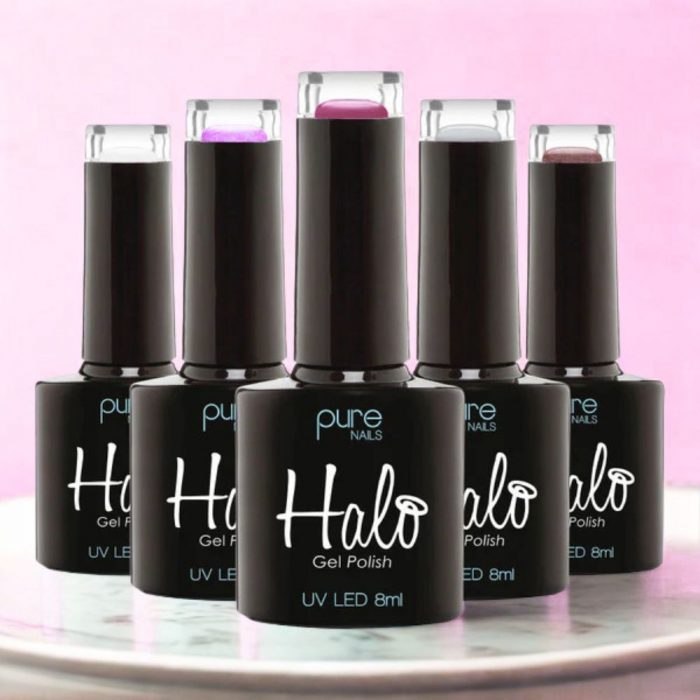
Halo Gel Polish
Halo delivers salon-ready gel polish performance with smooth application, rich pigment payoff, and reliable long-lasting wear, making it a trusted choice for busy nail technicians and professional salon services. As a result, it’s a popular choice for busy salons and nail technicians who need consistent, professional results across everyday gel polish services.
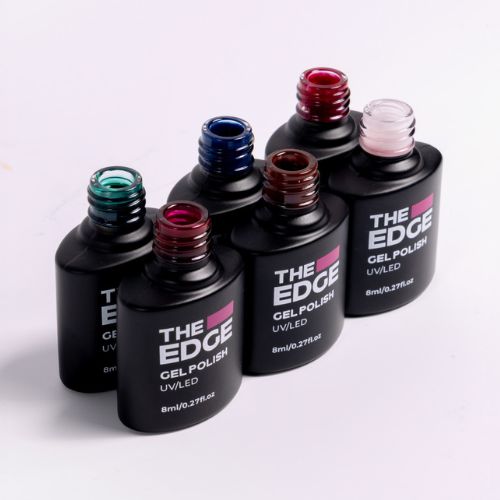
The Edge Gel Polish
The Edge delivers a cost-effective professional gel polish system, ideal for salons looking to maintain quality results while managing service pricing. As a result, salons and training academies widely use it for everyday gel polish services, beginner nail training, and consistent professional application.
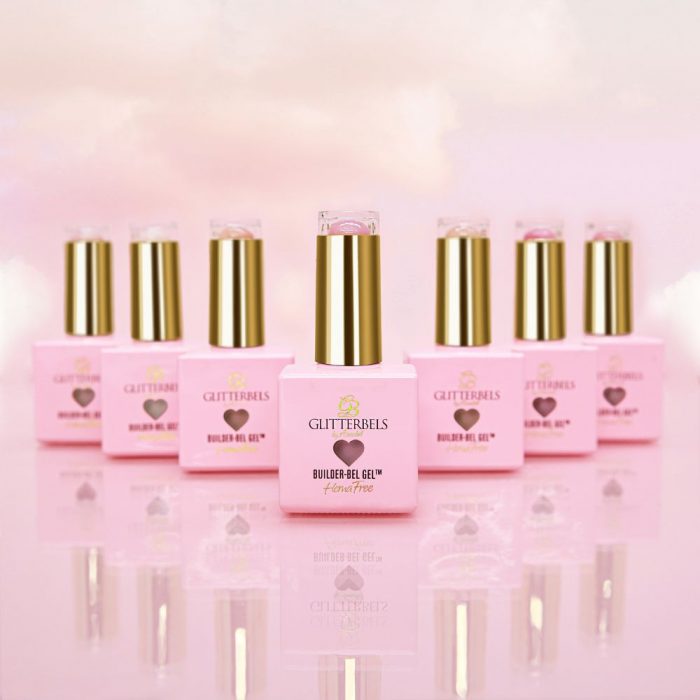
Glitterbels Hema Free Gel Polish
Meanwhile, Glitterbels stands out for its highly pigmented gel polish shades and trend-driven colour range, making it a go-to choice for nail technicians creating bold nail art, detailed designs, and creative salon services.
Glitterbels offers both Hema and Hema-free products!
TPO ban update in the UK and EU
Recent regulatory updates in the EU and UK cosmetics industry have placed restrictions on the use of TPO in certain cosmetic formulations, particularly within UV-cured nail systems. Additionally, these changes form part of a wider industry shift to align cosmetic ingredients with updated safety standards across professional beauty products.
As a result, nail technicians may notice some brands reformulating their gel polish systems over time to stay compliant with evolving industry regulations and updated cosmetic safety standards. However, not all professional gel systems are affected in the same way, and many remain fully compliant for continued salon use.
As regulations develop, it is important for nail professionals to stay updated on ingredient compliance and always follow manufacturer guidance when selecting gel polish systems for salon services.
What should nail technicians look for when choosing gel polish?
When selecting a professional gel polish system, focus on performance and consistency rather than just branding:
- Cure compatibility: Works effectively with LED and UV lamps
- Pigment strength: High coverage in fewer layers
- Viscosity: Smooth application without flooding or streaking
- Self-levelling properties: Helps create an even finish
- Salon efficiency: Fast, predictable service times
Together, these factors directly affect both your efficiency behind the desk and the overall quality, consistency, and finish of your completed nail services.

Frequently Asked Questions
What does HEMA do in gel polish?
HEMA helps gel polish adhere to the natural nail, improving wear time and reducing lifting when applied correctly.
What is TPO used for in gel polish?
TPO is a photoinitiator that helps gel polish cure under UV or LED light, ensuring a stable and even finish.
Is HEMA-free gel polish better?
Not necessarily better, but it offers an alternative formulation. Many salons stock both to suit different client preferences and service needs.
Do all gel polishes contain HEMA and TPO?
No, formulations vary by brand and system. Always check manufacturer specifications for each product line.
Can I mix different gel polish brands in one service?
It’s generally recommended to stay within the same system to ensure compatibility, consistent curing, and predictable results.
Comments are closed here.