
Winter Hair: How to Stop Dryness, Frizz and Static
Winter hair care is about more than a richer conditioner. Between cold air outside, central heating inside and scarves rubbing at the nape, clients arrive in the chair with dry lengths, frizz and flyaways that won’t settle.
The good news is that winter is the perfect time to revisit their routines. Here’s how to diagnose the three most common winter hair problems, what to offer at the backwash, and which professional products to send clients home wit
Why Winter Is So Tough on Hair
Hair gets drier and frizzier in winter because cold outdoor air and central heating both pull moisture from the hair. A dry cuticle lifts and roughens, so strands lose shine, tangle more easily and pick up static as they rub against brushes, hats and knitwear.
More heat styling adds to the strain, as clients reach for the hairdryer and straighteners more often when it’s cold and damp. The fix is to rebalance moisture and smooth the cuticle. Research published in the International Journal of Trichology notes that hair care products can strengthen the cuticle and reduce electrical charge and friction between strands (Gavazzoni Dias, 2015).
Winter Hair Care Problems and How to Fix Them
Start every winter consultation by asking how the hair feels between washes. The answer usually points to one of three problems.
Dry, Brittle Lengths
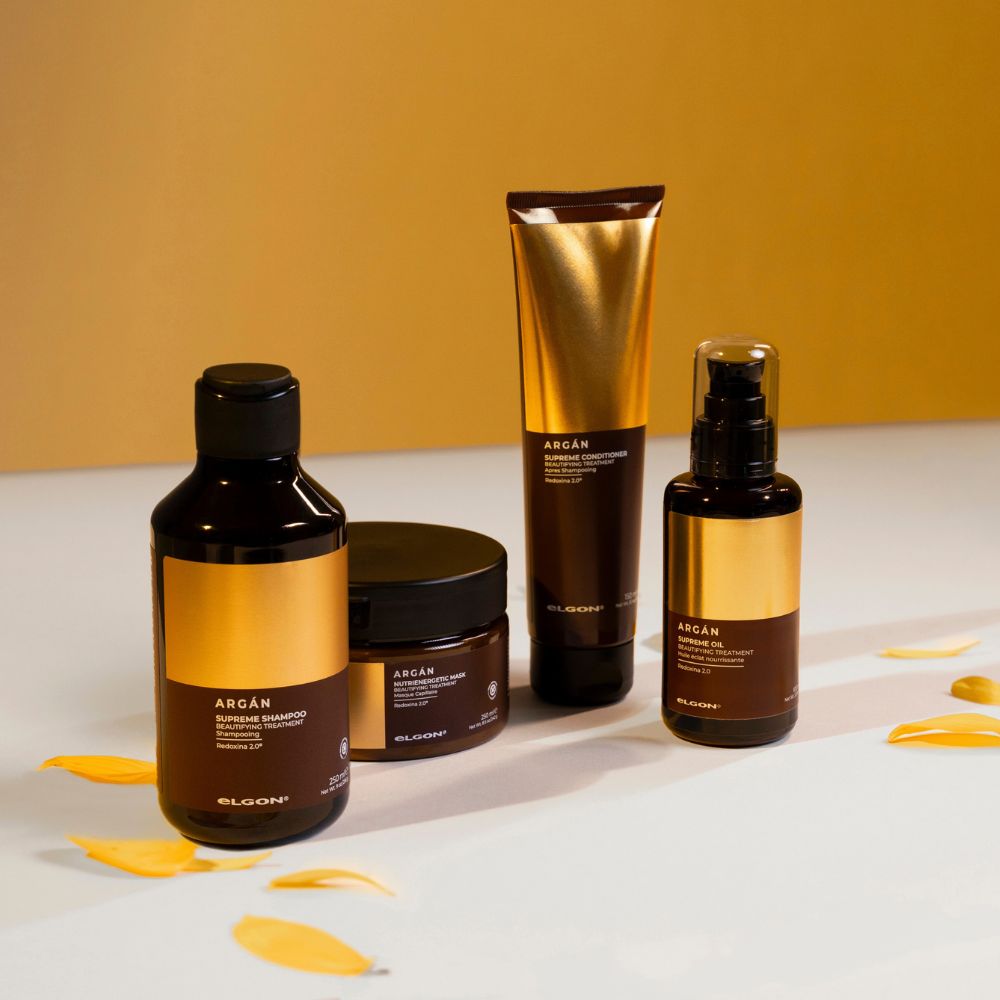
If lengths feel rough or snap easily, swap clients onto a moisturising shampoo and conditioner and add a weekly hair mask in place of their usual conditioner. The ASP Kitoko Hydrating Masque, with hyaluronic acid and coconut, suits thirsty hair. For drier, coarser textures, try the Elgon Argan Nutrienergetic Mask. Where breakage is part of the picture, the ASP Kitoko Repairing Masque is a good fit.
Frizzy Hair
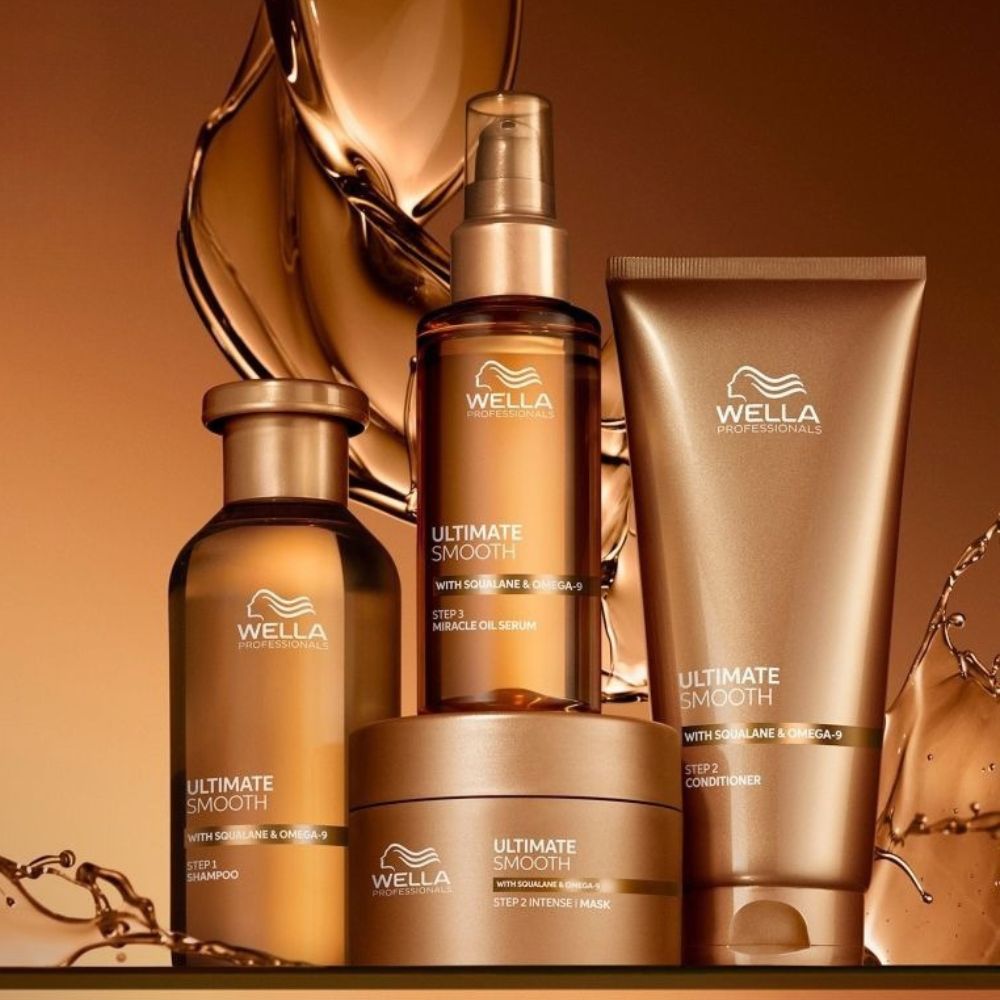
Winter frizz is a sign of dehydrated hair with a raised cuticle. The Wella Professionals Ultimate Smooth Mask and Ultimate Smooth Miracle Oil Serum make an easy smoothing routine to recommend.
It’s also worth checking what clients are washing with. Shampoos with a lower-pH formulas may cause less frizz because they create less static on the hair’s surface.
Static and Flyaways
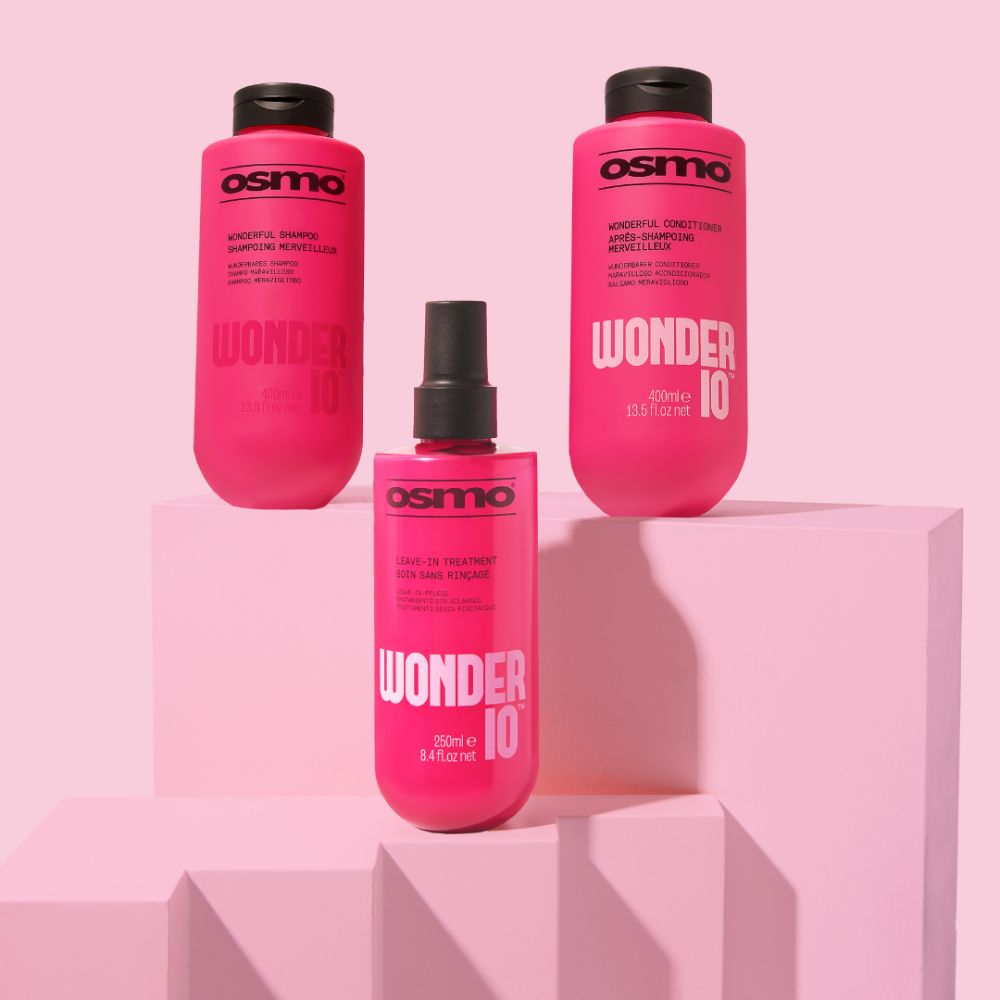
Static builds up when dry hair rubs against hats, scarves and brushes. A leave-in such as OSMO Wonder 10, followed by a drop of lightweight oil like Wella Oil Reflections, helps keep strands smooth and settled. Recommend gentle detangling brushes too, so clients cause less friction around the nape.
In-Salon Treatments to Offer This Winter
A backwash treatment is one of the easiest winter add-ons to sell, because clients can see and feel the difference straight away.
- Add a mask to colour and cut services. Treatments like the Elgon Refibra Restoring Mask or OSMO Guardian Angel Resurfacing Mask slot neatly into processing or rinse time.
- Finish with a treatment oil. A few drops of L’Oréal Professionnel Absolut Repair 10-in-1 Treatment Oil through the ends adds shine to the final blow-dry.
- Link it to home care. Recommend the retail size of the mask you used, so clients can keep the results going between visits.
Explore the new Elgon care range for more backwash options.
Hair Oil vs Serum: Which Should You Recommend?
Both help with winter frizz, but they suit different clients.
| Hair oil | Hair serum | |
|---|---|---|
| Texture | Richer and more nourishing | Lighter, focused on smoothing and shine |
| Best for | Dry, thick or coarse hair | Fine hair or a sleek finish |
| When to use | On damp hair before styling, or on dry ends | On dry, styled hair to finish |
| Try | ASP Kitoko Oil Treatment or Elgon Argan Supreme Oil | Wella Ultimate Smooth Miracle Oil Serum |
Whichever you choose, remind clients that a little goes a long way. Apply to the mid-lengths and ends, not the roots. Browse our full professional hair oil range for more options.
Winter Hair Care FAQs
Why does my hair get static in winter?
Dry winter air and central heating draw moisture from the hair. Dry strands then build up an electrical charge when they rub against hats, scarves and brushes. Conditioning products and a lightweight oil help smooth the cuticle and reduce static.
How often should you use a hair mask in winter?
Once a week suits most clients, used in place of their usual conditioner. Very dry or chemically treated hair may benefit from twice a week, but always follow the product’s guidance.
Is hair oil or serum better for frizz?
Both work. Hair oils are richer, so they suit dry, thick or coarse hair. Serums are lighter, making them a better choice for fine hair or a sleek finish.
Does cold weather damage your hair?
Cold air on its own isn’t the main problem. It’s the mix of dry air, central heating and extra heat styling that leaves hair drier and more prone to frizz and breakage. A moisture-focused routine helps keep hair in good condition.
Keep Clients’ Hair Winter-Ready
Winter hair care comes down to three things: put moisture back, smooth the cuticle and cut down friction. Diagnose the problem at the consultation, add a treatment at the backwash and send clients home with a simple routine they’ll actually follow.
Comments are closed here.